As the crisp autumn air turns into the chill of winter, Fayetteville homeowners must take proactive steps to protect their plumbing systems from the harsh cold. Frozen and burst pipes can lead to costly repairs and significant water damage. Fortunately, with a bit of preparation, you can safeguard your home and enjoy a worry-free winter.
Table of Contents
Toggle1. Insulate Exposed Pipes
Pipes located in unheated areas such as attics, basements, garages, and crawl spaces are particularly vulnerable to freezing. To prevent this, wrap these exposed pipes with foam insulation or use UL-listed heat tape. These measures help maintain the water temperature within the pipes, reducing the risk of freezing.
2. Disconnect and Drain Outdoor Hoses
Before the first freeze, disconnect all garden hoses from outdoor faucets. Drain the hoses thoroughly and store them indoors. This prevents any remaining water from freezing inside the hoses, which can cause them to crack and damage both the hose and the faucet.
3. Shut Off Exterior Water Supply
Locate and turn off the shut-off valve for your outdoor water supply. After shutting off the valve, open the outdoor faucets to allow any remaining water to drain out. This step ensures that no water is left in the pipes, reducing the likelihood of freezing. Edwards Homes.
4. Seal Gaps and Cracks
Inspect areas where pipes enter your home, such as around windows, doors, and at sill plates. Seal any gaps or cracks with caulk or foam sealant to prevent cold air from entering and potentially freezing the pipes.
5. Keep Garage Doors Closed
If you have water supply lines in the garage, keep garage doors closed, especially if there are water supply lines in the garage. This helps maintain a warmer environment for the pipes and reduces the risk of freezing.
6. Let Faucets Drip
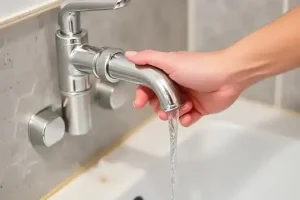
During extremely cold temperatures, allow a slow drip from faucets connected to pipes that run through unheated or unprotected spaces. This keeps water moving within the pipes, reducing the chance of freezing.
7. Open Cabinet Doors
Open kitchen and bathroom cabinet doors to allow warmer air to circulate around the plumbing, particularly if your sinks are on exterior walls. This simple step can help prevent pipes from freezing.
8. Maintain a Consistent Thermostat Setting
During cold spells, keep your thermostat set to the same temperature during day and night. If you plan to be away during cold weather, leave the heat on in your home, set to a temperature no lower than 55° F (13° C). This helps prevent the pipes from freezing.
9. Flush Your Water Heater
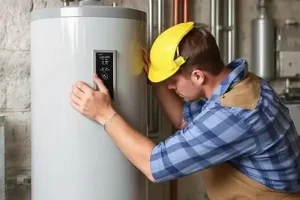
Sediment can build up in your water heater over time, reducing its efficiency. Before winter, flush the tank to remove sediment and improve heating efficiency. This ensures a steady supply of hot water during the colder months.
10. Know the Location of Your Main Water Valve
In case of a plumbing emergency, it’s crucial to know the location of your home’s main water shut-off valve. Familiarize yourself with its location and ensure that all household members know how to turn it off. This can minimize water damage in case of a burst pipe.
Why Winter Plumbing Preparation Matters
Neglecting to prepare your plumbing for winter can lead to frozen pipes, which can burst and cause significant water damage. The average cost to repair a burst pipe is about $1,000, and water damage can range from $5,000 to $70,000 to repair.
By taking these preventive measures, you can protect your home from the harsh effects of winter and avoid costly repairs.
Need Professional Assistance?
If you’re unsure about winterizing your plumbing or need professional help, don’t hesitate to contact Heavenly Throne Plumbing. Their team of experts is available 24/7 to assist with all your plumbing needs. Visit heavenlythroneplumbing or call (910) 494-3362 for more information.
Conclusion
Preparing your plumbing for winter is essential to prevent frozen pipes and the costly damage they can cause. By following these steps, you can ensure that your plumbing system remains in good working condition throughout the colder months. Remember, a little preparation now can save you a lot of trouble later.