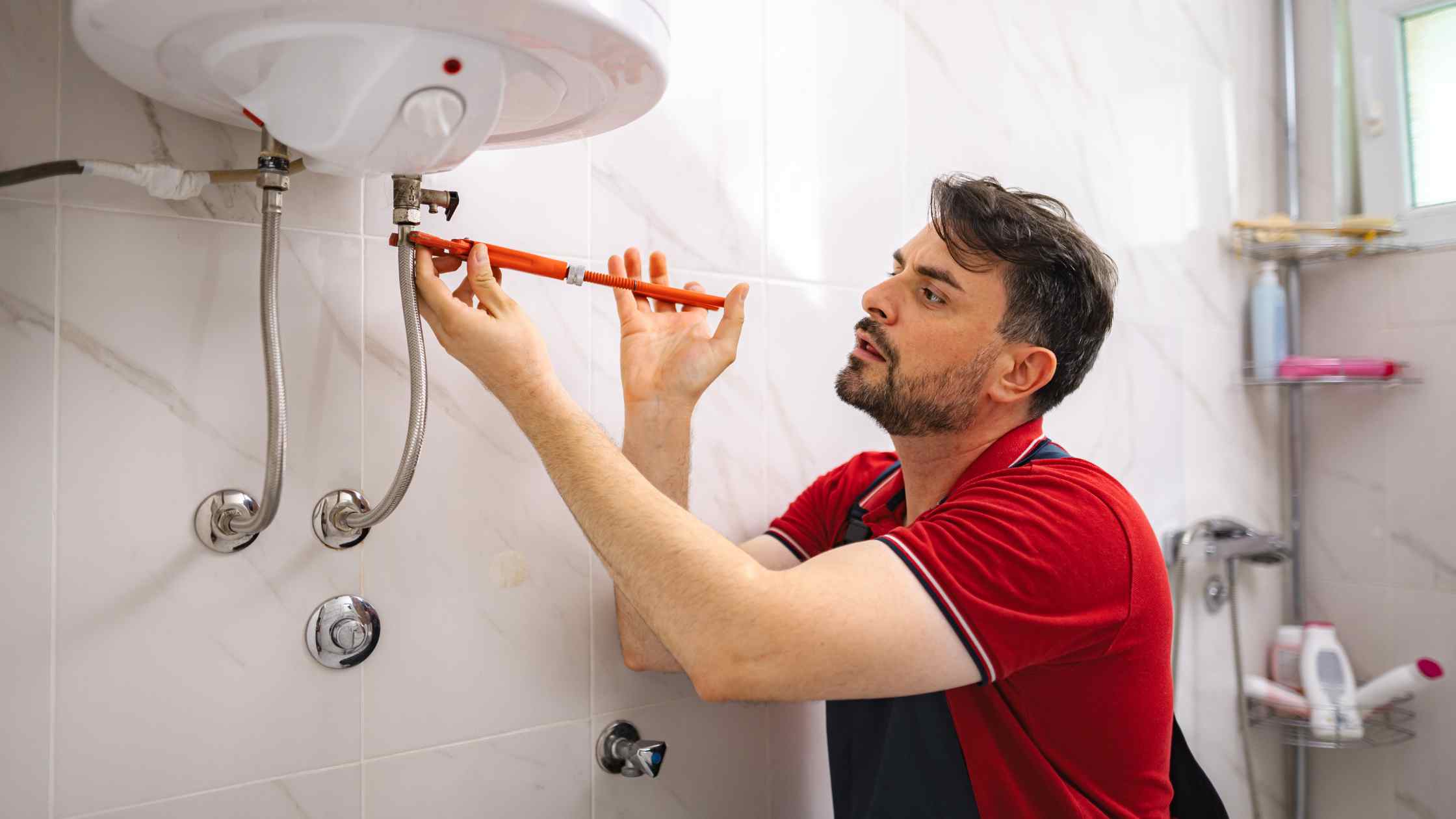
Low water pressure may seem like a minor inconvenience at first. Perhaps your shower isn’t as powerful as it used to be, or it takes longer to fill a sink or bathtub. However, what many Fayetteville homeowners don’t realize is that low water pressure is often a symptom of an underlying plumbing issue that can worsen over time.
Ignoring low water pressure can lead to higher water bills, damaged plumbing systems, reduced appliance efficiency, and even costly repairs. Understanding the causes and taking prompt action can help protect your home and ensure your plumbing system continues operating efficiently.
In this guide, we’ll explore the most common causes of low water pressure, warning signs that indicate a serious issue, and practical solutions homeowners can consider.
Table of Contents
ToggleWhat Is Considered Low Water Pressure?
Water pressure refers to the force that pushes water through your pipes and into faucets, showers, and appliances. Most residential homes function best with water pressure ranging between 40 and 60 PSI (pounds per square inch).
When pressure drops below this range, homeowners may notice:
- Weak shower flow
- Slow-filling washing machines
- Faucets producing only a trickle
- Longer wait times for appliances to operate
- Reduced performance from irrigation systems
Occasional fluctuations may be normal, but persistent low water pressure should never be ignored.
Common Causes of Low Water Pressure in Fayetteville Homes
1. Hidden Plumbing Leaks
One of the most common causes of low water pressure is a leak somewhere within the plumbing system.
When water escapes through damaged pipes before reaching fixtures, pressure decreases throughout the home. Hidden leaks may occur behind walls, under floors, or beneath the foundation.
Signs of hidden leaks include:
- Unexpected increases in water bills
- Damp spots on walls or ceilings
- Mold or mildew growth
- Sounds of running water when fixtures are off
Even small leaks can gradually worsen and cause significant structural damage if left untreated.
2. Corroded Pipes
Many older homes in Fayetteville may still have aging galvanized steel pipes. Over time, these pipes can corrode internally.
As corrosion builds up inside the pipe walls, the diameter narrows, restricting water flow and reducing pressure.
Common symptoms include:
- Gradual decline in water pressure
- Discolored or rusty water
- Uneven pressure throughout the home
Pipe corrosion often requires professional evaluation and, in severe cases, partial or complete pipe replacement.
3. Mineral Buildup in Fixtures
Hard water contains minerals such as calcium and magnesium that accumulate over time.
These minerals can clog:
- Faucet aerators
- Showerheads
- Appliance water lines
The result is reduced water flow and inconsistent pressure.
Fortunately, cleaning or replacing affected fixtures often restores proper performance.
4. Faulty Pressure Regulator
Many homes are equipped with a pressure regulator designed to maintain consistent water pressure.
When this device malfunctions, homeowners may experience:
- Extremely low pressure
- Sudden pressure changes
- Uneven water flow
Pressure regulators typically wear out over time and may require replacement to restore normal operation.
5. Municipal Water Supply Issues
Sometimes the problem isn’t inside the home at all.
Local water supply issues can temporarily reduce pressure due to:
- Water main repairs
- System maintenance
- High community demand
- Utility emergencies
If neighbors are experiencing similar issues, contacting the local water provider may help determine whether the problem originates from the municipal supply.
6. Partially Closed Shut-Off Valves
After plumbing repairs or maintenance, shut-off valves may not be reopened completely.
Common valves to check include:
- Main water shut-off valve
- Water meter valve
- Fixture supply valves
A partially closed valve restricts water flow and creates noticeable pressure issues throughout the property.
7. Clogged Water Pipes
Over time, debris, rust, sediment, and mineral deposits can accumulate within plumbing lines.
These blockages reduce the amount of water passing through the system and create pressure problems.
Older plumbing systems are particularly vulnerable to this issue.
Why Low Water Pressure Should Never Be Ignored
Many homeowners simply adapt to weak water flow without investigating the cause. Unfortunately, delaying repairs can create larger problems.
Increased Risk of Major Leaks
Small leaks often begin with subtle pressure changes.
Without repair, these leaks can grow into burst pipes, water damage, and expensive restoration projects.
Higher Utility Bills
A leaking pipe wastes water continuously.
Even minor leaks can add hundreds of gallons of wasted water every month, increasing utility costs unnecessarily.
Reduced Appliance Lifespan
Appliances such as:
- Dishwashers
- Washing machines
- Water heaters
depend on proper water pressure for efficient operation.
Low pressure forces appliances to work harder, accelerating wear and shortening their lifespan.
Water Quality Concerns
Corroded pipes and plumbing deterioration can introduce contaminants, rust particles, and sediment into your home’s water supply.
Addressing pressure problems early often helps prevent water quality issues.
Reduced Home Comfort
Daily activities become frustrating when water pressure declines.
Tasks such as showering, washing dishes, doing laundry, and watering landscaping all become less efficient.
Warning Signs That Require Immediate Attention
While some pressure issues develop gradually, certain symptoms indicate a more serious plumbing problem.
Contact a plumbing professional if you notice:
- Sudden pressure loss throughout the entire home
- Water stains appearing on ceilings or walls
- Persistent dripping sounds behind walls
- Unusually high water bills
- Rust-colored water
- Pressure fluctuations throughout the day
- Wet spots in the yard
These warning signs often indicate leaks, pipe damage, or system failures that require prompt repair.
How Professionals Diagnose Low Water Pressure
Proper diagnosis is essential because multiple issues can cause similar symptoms.
Professional plumbers often use:
Pressure Testing
Pressure gauges measure PSI levels throughout the system to identify abnormalities.
Leak Detection Equipment
Advanced tools can locate hidden leaks without unnecessary wall or floor damage.
Video Camera Inspections
Small cameras are inserted into plumbing lines to identify:
- Pipe corrosion
- Mineral buildup
- Obstructions
- Cracks
Valve Inspection
Technicians inspect shut-off valves and pressure regulators to ensure they function properly.
A thorough diagnosis prevents misdiagnosis and unnecessary repairs.
Solutions for Low Water Pressure
Repair Plumbing Leaks
If leaks are responsible, repairing damaged pipes often restores pressure immediately while preventing further water damage.
Replace Corroded Pipes
Older galvanized pipes may require replacement with modern materials such as:
- Copper
- PEX piping
- CPVC piping
New piping improves both water pressure and water quality.
Clean or Replace Fixtures
Mineral-clogged faucet aerators and showerheads can often be cleaned using simple descaling methods.
Severely clogged fixtures may require replacement.
Replace Pressure Regulators
A faulty pressure regulator should be replaced to maintain stable water flow throughout the home.
Remove Pipe Blockages
Professional pipe cleaning methods can eliminate buildup and restore normal flow capacity.
Install a Water Softener
For homes affected by hard water, installing a water softener helps reduce future mineral buildup and extends plumbing system life.
Preventing Future Water Pressure Problems
Preventive maintenance is one of the best ways to avoid recurring pressure issues.
Homeowners can:
- Schedule regular plumbing inspections
- Monitor monthly water bills for unusual increases
- Address small leaks promptly
- Clean faucet aerators annually
- Flush water heaters regularly
- Install water softening systems when needed
- Replace aging plumbing before major failures occur
Preventive care often saves thousands of dollars compared to emergency repairs.
The Importance of Professional Plumbing Evaluation
While some low-pressure issues have simple solutions, many require specialized equipment and expertise to diagnose accurately.
Professional plumbers can identify underlying causes before they escalate into expensive emergencies. Whether the issue involves hidden leaks, aging pipes, mineral buildup, or faulty regulators, timely intervention helps protect your home’s plumbing infrastructure and ensures reliable water flow for years to come.
Conclusion
Low water pressure is more than just an annoyance—it is often a warning sign that something within your plumbing system needs attention. From hidden leaks and corroded pipes to clogged fixtures and faulty pressure regulators, identifying the root cause early can prevent costly repairs and improve your home’s efficiency. If you’re experiencing persistent water pressure issues in your home, the experienced professionals at Heavenly Throne Plumbing can help diagnose the problem and provide reliable solutions to restore proper water flow.
Frequently Asked Questions
1. What is the most common cause of low water pressure in a home?
Hidden plumbing leaks, mineral buildup, corroded pipes, and faulty pressure regulators are among the most common causes of low water pressure.
2. Can a plumbing leak cause low water pressure?
Yes. When water escapes through a leak before reaching fixtures, pressure drops throughout the plumbing system.
3. How do I know if my pressure regulator is bad?
Signs include sudden pressure changes, consistently low pressure, or pressure that fluctuates throughout the day.
4. Can hard water reduce water pressure?
Yes. Hard water minerals can accumulate inside pipes, showerheads, and faucets, restricting water flow and lowering pressure.
5. Should I call a plumber for low water pressure?
If the issue affects multiple fixtures, appears suddenly, or persists after basic troubleshooting, a professional plumbing inspection is recommended.