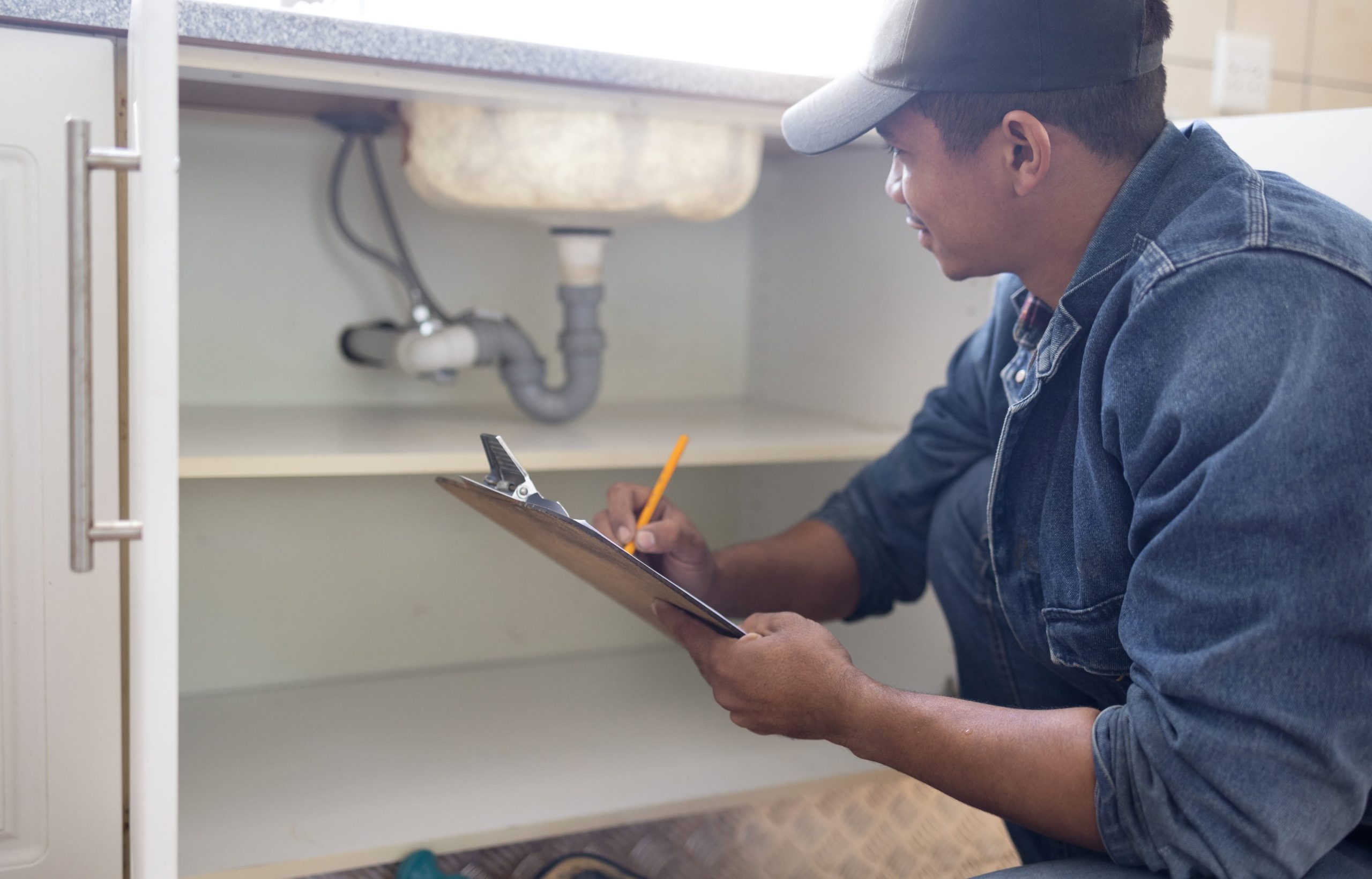
Plumbing systems are often out of sight and out of mind—until something goes wrong. A sudden leak, clogged drain, or burst pipe can turn into an expensive emergency very quickly. The good news is that most plumbing problems are preventable with simple, consistent maintenance throughout the year.
A structured plumbing maintenance routine helps homeowners extend the life of pipes, fixtures, and appliances while reducing repair costs and water waste. Instead of waiting for issues to appear, proactive care keeps your system running efficiently in every season.
This detailed year-round plumbing maintenance checklist will help you protect your home, avoid emergencies, and maintain steady water performance.
Table of Contents
ToggleWhy Plumbing Maintenance Matters
Many homeowners assume plumbing only needs attention when something breaks. In reality, small issues build up slowly over time.
Regular maintenance helps you:
- Prevent costly water damage
- Avoid emergency plumbing repairs
- Improve water pressure and flow
- Extend appliance lifespan
- Reduce monthly water bills
- Detect leaks early before they worsen
A well-maintained plumbing system can last decades longer than a neglected one.
MONTHLY PLUMBING MAINTENANCE TASKS
Monthly checks are quick but extremely important. They help you catch early warning signs before they turn into major problems.
1. Check for Visible Leaks
Inspect all accessible areas in your home, including:
- Under sinks
- Around toilets
- Behind washing machines
- Near water heaters
Look for:
- Damp spots
- Water stains
- Mold or mildew
- Dripping pipes
Even a small leak can waste hundreds of liters of water over time.
2. Monitor Water Pressure
Low or fluctuating water pressure may indicate:
- Pipe blockages
- Hidden leaks
- Sediment buildup
- Municipal supply issues
If pressure suddenly drops in multiple fixtures, it’s time to investigate further.
3. Inspect Drains for Slow Flow
Slow drains often signal early clog formation.
Watch for:
- Water pooling in sinks or tubs
- Gurgling sounds
- Foul odors
Using a simple drain cleaner or hot water flush can help prevent buildup.
4. Test Toilets for Leaks
A leaking toilet can waste significant water silently.
To test:
- Add food coloring to the tank
- Wait 15–20 minutes
- Check if color appears in the bowl
If it does, the flapper may need replacement.
SEASONAL PLUMBING MAINTENANCE CHECKLIST
Each season brings different challenges for your plumbing system. Adjusting maintenance tasks accordingly ensures year-round protection.
SPRING MAINTENANCE CHECKLIST
Spring is the ideal time to inspect for damage caused by winter temperatures.
1. Check Outdoor Faucets and Pipes
Freezing winter temperatures may cause cracks or leaks in outdoor plumbing.
Inspect:
- Garden taps
- Hose connections
- Exterior pipes
Turn on water slowly and check for leaks.
2. Inspect Sump Pump (If Installed)
Spring often brings heavy rainfall.
Ensure:
- Pump activates properly
- Discharge line is clear
- No unusual noise during operation
A faulty sump pump can lead to basement flooding.
3. Clean Gutters and Downspouts
While not strictly plumbing, gutters impact water drainage.
Clear:
- Leaves
- Dirt
- Blockages
This prevents water overflow near your foundation.
4. Check for Winter Pipe Damage
Look for:
- Hairline pipe cracks
- Damp walls
- Reduced pressure
Winter freeze damage often appears in spring.
SUMMER MAINTENANCE CHECKLIST
Summer heat can stress plumbing systems in different ways.
1. Inspect Irrigation Systems
Check outdoor watering systems for:
- Leaks
- Broken sprinkler heads
- Uneven water distribution
Efficient irrigation reduces water waste.
2. Flush Water Heater
Sediment buildup increases in warm seasons.
Flushing helps:
- Improve efficiency
- Extend lifespan
- Reduce noise
3. Check Washing Machine Hoses
Heat can weaken rubber hoses.
Look for:
- Bulges
- Cracks
- Soft spots
Replace if necessary to avoid bursts.
4. Monitor Water Usage
Summer often increases water consumption.
Be aware of:
- Higher-than-normal bills
- Unexplained spikes
- Outdoor water waste
MONSOON / RAINY SEASON MAINTENANCE CHECKLIST
Heavy rain can stress drainage and sewer systems.
1. Inspect Drainage Systems
Ensure proper water flow around your home:
- Clear yard drains
- Check stormwater channels
- Remove blockages
2. Watch for Sewer Backups
Warning signs include:
- Gurgling toilets
- Slow drains
- Foul odors
Call a plumber immediately if detected.
3. Prevent Basement Flooding
Ensure:
- Sump pump is working
- No cracks in basement walls
- Water is directed away from foundation
WINTER MAINTENANCE CHECKLIST
Winter is the most dangerous season for plumbing systems due to freezing temperatures.
1. Insulate Exposed Pipes
Pipes in cold areas should be insulated to prevent freezing.
Focus on:
- Attics
- Basements
- Garages
- Exterior walls
2. Let Faucets Drip During Freezing Nights
A slow drip keeps water moving and prevents freezing.
3. Keep Cabinet Doors Open
This allows warm air to circulate around indoor pipes.
4. Disconnect Outdoor Hoses
Leaving hoses connected can trap water and cause pipe bursts.
5. Check Water Heater Performance
Cold weather increases demand.
Ensure:
- Consistent hot water
- No strange noises
- No leaks around tank
ANNUAL PLUMBING MAINTENANCE TASKS
Once a year, a deeper inspection helps keep the system in top condition.
1. Professional Plumbing Inspection
A licensed plumber can:
- Detect hidden leaks
- Inspect pipe condition
- Test water pressure
- Evaluate water heater health
2. Drain Water Heater Completely
Annual flushing removes:
- Sediment buildup
- Mineral deposits
- Rust particles
3. Inspect Sewer Lines
Tree roots and blockages often develop slowly.
A camera inspection can detect:
- Cracks
- Intrusions
- Blockages
4. Test Shut-Off Valves
Ensure all valves:
- Turn easily
- Shut off completely
- Are not corroded
5. Evaluate Water Quality
Testing helps identify:
- Hard water levels
- Contaminants
- Mineral content
COMMON PLUMBING MISTAKES HOMEOWNERS SHOULD AVOID
Even with good maintenance, mistakes can cause damage.
Avoid:
❌ Ignoring small leaks
They always get worse over time.
❌ Pouring grease down drains
It hardens and causes severe clogs.
❌ Using chemical drain cleaners frequently
They damage pipes over time.
❌ Delaying repairs
Small issues become expensive emergencies.
WARNING SIGNS YOU SHOULD NEVER IGNORE
Call a plumber immediately if you notice:
- Sudden drop in water pressure
- Discolored water
- Constant dripping sounds inside walls
- Sewer smell in bathrooms
- Repeated drain clogs
These often indicate serious hidden problems.
FINAL THOUGHTS
A well-maintained plumbing system is one of the most important parts of a safe and comfortable home. Most plumbing emergencies don’t happen suddenly—they develop slowly over time due to neglect or unnoticed issues.
By following this year-round plumbing maintenance checklist, homeowners can prevent costly repairs, reduce water waste, and extend the life of their entire plumbing system.
Consistency is the key. Small monthly and seasonal checks can save thousands in long-term damage and ensure your home’s plumbing runs smoothly in every season.