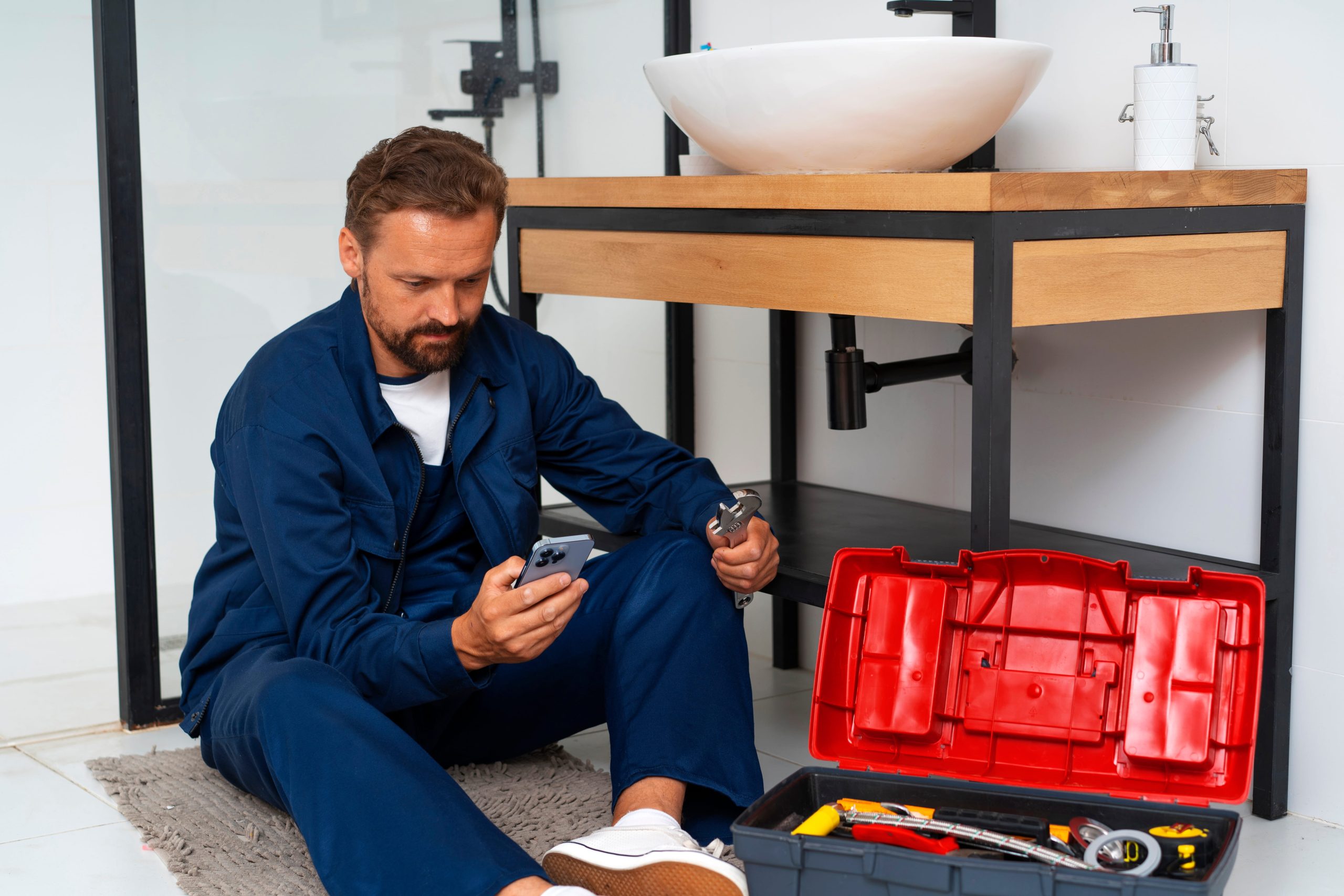
Rising utility costs have become a growing concern for homeowners across the country. Water and energy bills continue increasing as households use more appliances, larger plumbing systems, and modern conveniences that consume significant resources every day. While many people focus on adjusting habits to reduce expenses, upgrading outdated plumbing systems can often make a much bigger long-term difference.
Modern plumbing technology has advanced significantly in recent years. Today’s smart plumbing upgrades are designed to improve water efficiency, reduce waste, lower monthly utility costs, and increase overall convenience for homeowners. From high-efficiency fixtures and leak detection systems to tankless water heaters and smart irrigation controls, these upgrades can help homeowners save thousands of gallons of water each year while also reducing energy consumption.
In addition to financial savings, many plumbing improvements also increase home value, improve comfort, and reduce the likelihood of expensive water damage repairs. Investing in efficient plumbing systems is no longer just about convenience—it has become an important part of responsible homeownership.
Table of Contents
ToggleWhy Plumbing Efficiency Matters More Than Ever
Many homeowners underestimate how much water their homes use daily. According to the Environmental Protection Agency (EPA), the average family uses more than 300 gallons of water per day, with a large portion consumed through plumbing fixtures, appliances, and leaks. (epa.gov)
Older plumbing systems often waste water without homeowners realizing it. Small leaks, inefficient fixtures, outdated toilets, and aging water heaters can quietly increase utility bills month after month.
Smart plumbing upgrades help address these problems by:
- Reducing water waste
- Improving energy efficiency
- Lowering monthly utility bills
- Detecting leaks early
- Extending plumbing lifespan
- Increasing home comfort
- Supporting environmentally responsible living
For many homeowners, the long-term savings from these upgrades eventually offset the initial installation costs.
High-Efficiency Toilets Reduce Water Consumption
Toilets account for one of the largest sources of indoor water usage in most homes. Older toilets can use between 3.5 and 7 gallons of water per flush, while modern high-efficiency models use significantly less. (epa.gov)
Modern WaterSense-certified toilets typically use only 1.28 gallons per flush or less without sacrificing performance.
Benefits of upgrading to high-efficiency toilets include:
- Lower water bills
- Reduced strain on plumbing systems
- Improved flushing performance
- Fewer clogs
- Increased home efficiency
For larger families, replacing older toilets can save thousands of gallons of water annually.
Dual-flush toilet systems provide even greater control by allowing users to choose a lighter flush for liquid waste and a stronger flush for solid waste.
Tankless Water Heaters Improve Energy Efficiency
Traditional storage tank water heaters constantly heat and store water throughout the day, even when hot water is not being used. This standby heating process consumes unnecessary energy and increases utility costs. (energy.gov)
Tankless water heaters solve this problem by heating water only when needed. Instead of storing hot water in a tank, these systems provide on-demand hot water as it flows through the unit.
Advantages of tankless water heaters include:
- Lower energy consumption
- Reduced utility bills
- Endless hot water supply
- Smaller installation footprint
- Longer lifespan compared to traditional heaters
Although tankless systems may have higher upfront costs, many homeowners recover those expenses through lower monthly energy bills over time.
Smart Leak Detection Systems Prevent Water Waste
Hidden leaks are one of the most common causes of wasted water and unexpected utility increases. Even a small leak can waste thousands of gallons of water each year. (epa.gov)
Smart leak detection systems help homeowners monitor plumbing systems in real time. These devices use sensors to detect unusual water flow, pressure changes, or moisture buildup.
Many smart leak detection systems can:
- Send smartphone alerts
- Automatically shut off water during major leaks
- Monitor water usage patterns
- Detect hidden leaks behind walls
- Prevent costly water damage
These systems are especially valuable for homeowners who travel frequently or own older homes with aging plumbing systems.
Preventing even one major leak can save homeowners thousands of dollars in water damage repairs.
Low-Flow Showerheads Help Reduce Water Bills
Showers are another major source of household water consumption. Older showerheads can use more than 5 gallons of water per minute, dramatically increasing both water and energy usage. (epa.gov)
Modern low-flow showerheads use advanced engineering to maintain strong water pressure while significantly reducing water use.
Benefits include:
- Lower water consumption
- Reduced hot water usage
- Lower energy bills
- Improved efficiency without sacrificing comfort
WaterSense-certified showerheads use no more than 2 gallons of water per minute, helping households conserve water without reducing shower quality.
Smart Faucets Improve Convenience and Efficiency
Touchless and smart faucets are becoming increasingly popular in modern homes. These fixtures use motion sensors or programmable settings to reduce unnecessary water usage.
Smart faucets help conserve water by:
- Automatically shutting off when not in use
- Reducing accidental running water
- Improving flow control
- Monitoring water usage
They are especially helpful in kitchens and bathrooms where faucets are frequently left running during cleaning, cooking, or brushing teeth.
In addition to reducing water waste, touchless faucets also improve hygiene by minimizing contact with handles and surfaces.
Upgrading Old Pipes Helps Prevent Hidden Leaks
Older plumbing pipes often develop hidden leaks due to corrosion, wear, or aging materials. Even minor leaks can increase water bills while slowly damaging walls, flooring, and foundations.
Common outdated pipe materials include:
- Galvanized steel
- Polybutylene
- Aging copper pipes
- Corroded cast iron
Modern repiping solutions such as PEX piping offer improved durability and efficiency. (heavenlythroneplumbing.com)
Benefits of replacing aging pipes include:
- Reduced water loss
- Improved water pressure
- Better water quality
- Lower risk of leaks
- Increased plumbing reliability
Although repiping can be a larger investment, it often prevents costly future repairs and ongoing water waste.
Smart Irrigation Systems Reduce Outdoor Water Waste
Outdoor watering accounts for a significant portion of household water use, especially during warmer months. Traditional sprinkler systems often waste water through overwatering, poor timing, or inefficient coverage. (epa.gov)
Smart irrigation systems use weather data, soil conditions, and automated scheduling to improve watering efficiency.
These systems can:
- Adjust watering schedules automatically
- Reduce unnecessary watering during rain
- Monitor soil moisture
- Minimize runoff and oversaturation
- Lower outdoor water bills
Smart irrigation technology helps homeowners maintain healthy landscaping while using less water overall.
Water Filtration Systems Improve Appliance Efficiency
Hard water and mineral buildup can reduce plumbing efficiency over time. Mineral deposits often accumulate inside pipes, faucets, water heaters, and appliances, forcing systems to work harder and consume more energy.
Water filtration and softening systems help reduce these issues by removing minerals and contaminants before water enters the plumbing system. (energy.gov)
Benefits include:
- Improved appliance lifespan
- Better plumbing performance
- Reduced mineral buildup
- Lower maintenance costs
- Improved water quality
Softened water also improves soap efficiency, which may reduce detergent and cleaning product usage.
Smart Water Monitors Help Track Usage
Many homeowners are unaware of how much water they use daily. Smart water monitoring systems provide real-time data that helps identify wasteful habits and unusual consumption patterns.
These systems often connect directly to smartphone apps and can display:
- Daily water usage
- Leak alerts
- Usage trends
- Fixture-specific consumption
- Abnormal water activity
Having access to detailed water usage information helps homeowners make informed decisions about conservation and efficiency improvements.
Energy-Efficient Appliances Reduce Utility Costs
Modern plumbing upgrades often work best when combined with efficient household appliances.
High-efficiency appliances such as:
- ENERGY STAR dishwashers
- Front-load washing machines
- Efficient water heaters
use less water and energy than older models. (energystar.gov)
These appliances help homeowners lower both water and electricity bills while improving overall home efficiency.
For example, modern dishwashers often use less water than hand washing dishes repeatedly throughout the day.
Pressure-Reducing Valves Protect Plumbing Systems
High water pressure may feel convenient, but it can actually waste water and place unnecessary stress on plumbing systems.
Excessive pressure can lead to:
- Pipe leaks
- Faucet drips
- Appliance wear
- Increased water consumption
Pressure-reducing valves help regulate household water pressure to safer, more efficient levels. (familyhandyman.com)
Maintaining proper pressure improves plumbing lifespan while reducing water waste and repair costs.
Recirculating Pumps Reduce Water Waste
Many homeowners waste gallons of water waiting for hot water to reach sinks or showers. Hot water recirculation systems solve this problem by keeping warm water readily available throughout the plumbing system.
Benefits include:
- Faster hot water delivery
- Reduced water waste
- Improved convenience
- Lower utility costs over time
These systems are especially beneficial in larger homes where water heaters are located far from bathrooms or kitchens.
Smart Plumbing Adds Long-Term Home Value
In addition to monthly savings, modern plumbing upgrades can increase a home’s resale value. Buyers increasingly prioritize energy-efficient and water-saving features when shopping for homes.
Smart plumbing systems signal that a home is:
- Well maintained
- Energy efficient
- Environmentally conscious
- Updated with modern technology
Features such as tankless water heaters, leak detection systems, and efficient fixtures may make properties more attractive to future buyers.
Small Plumbing Changes Can Create Big Savings
Not every efficiency improvement requires major renovations. Even small plumbing upgrades can lead to noticeable savings over time.
Simple improvements include:
- Fixing leaking faucets
- Installing faucet aerators
- Replacing old showerheads
- Upgrading toilet components
- Insulating hot water pipes
Combined, these smaller upgrades can significantly reduce household water and energy usage.
Why Professional Installation Matters
While some plumbing upgrades appear simple, professional installation ensures systems operate safely and efficiently.
Professional plumbers can help homeowners:
- Choose the right products
- Ensure code compliance
- Prevent installation mistakes
- Maximize efficiency
- Identify hidden plumbing problems
Improper installation may reduce system performance or even create costly plumbing damage later.
Working with experienced plumbing professionals helps homeowners protect their investment while achieving the best long-term results.
Final Thoughts
Smart plumbing upgrades offer homeowners an effective way to reduce water waste, lower utility bills, and improve overall home efficiency. From high-efficiency toilets and tankless water heaters to leak detection systems and smart irrigation technology, modern plumbing solutions provide both financial and environmental benefits.
As utility costs continue rising, upgrading outdated plumbing systems becomes an increasingly valuable investment. Even small improvements can create meaningful long-term savings while reducing strain on household plumbing systems.
In addition to lowering monthly expenses, smart plumbing upgrades improve convenience, increase home value, and help prevent expensive future repairs. By investing in efficient plumbing technology today, homeowners can enjoy greater comfort, better performance, and lower operating costs for years to come.