Hidden plumbing leaks are one of the most expensive and frustrating problems homeowners face. Unlike a burst pipe that makes itself obvious immediately, hidden leaks can go unnoticed for weeks or even months. During that time, water quietly damages walls, flooring, foundations, and even electrical systems.
The biggest challenge is that these leaks often stay out of sight—behind walls, under floors, or underground—until the damage becomes severe. By the time visible signs appear, repairs can cost thousands of dollars.
The good news is that hidden leaks usually give warning signs if you know what to look for. In this guide, we’ll break down how to detect hidden plumbing leaks early, what causes them, and how to prevent major water damage.
Table of Contents
ToggleWhy Hidden Plumbing Leaks Are So Dangerous
Hidden leaks are more damaging than obvious ones because they are slow, consistent, and undetected for long periods. Even a small drip can waste hundreds of gallons of water over time.
Here’s why they are a serious concern:
- Structural damage – Water weakens wood, drywall, and even concrete over time
- Mold and mildew growth – Moist environments encourage fast mold development
- Higher water bills – Unexplained spikes often indicate a leak
- Electrical hazards – Water can reach wiring and create fire risks
- Foundation issues – Underground leaks can erode soil stability
What makes them especially tricky is that the visible damage often appears far from the actual leak source.
Common Causes of Hidden Plumbing Leaks
Understanding the root causes can help you identify risk areas in your home.
1. Aging Pipes
Older homes often have galvanized steel or copper pipes that corrode over time. Corrosion leads to small pinhole leaks that slowly worsen.
2. High Water Pressure
Excessively high water pressure puts constant stress on pipes and joints, causing cracks or loose fittings.
3. Poor Installation Work
Incorrect pipe fitting, weak sealing, or low-quality materials can lead to long-term hidden leaks.
4. Temperature Changes
Freezing and thawing cycles cause pipes to expand and contract, eventually leading to fractures.
5. Tree Root Intrusion
Underground sewer lines are especially vulnerable. Roots grow toward moisture and can break or block pipes.
Early Warning Signs of Hidden Plumbing Leaks
Detecting a leak early can save thousands in repairs. Watch for these warning signs:
1. Unexpected Increase in Water Bills
One of the earliest and most reliable indicators is a sudden spike in your water bill without increased usage.
2. Damp or Discolored Walls and Ceilings
Yellow or brown stains often indicate water leaking behind surfaces.
3. Musty Odors
A persistent damp smell usually means moisture is trapped somewhere, encouraging mold growth.
4. Low Water Pressure
Leaks can reduce the overall pressure in your plumbing system.
5. Sound of Running Water
If you hear water running when no taps are open, it may indicate a hidden leak.
6. Warped Floors or Peeling Paint
Moisture beneath flooring can cause wood to swell or paint to bubble.
7. Mold or Mildew Growth
Mold appearing in unusual places often points to a hidden water source.
How to Check for Hidden Plumbing Leaks at Home
You don’t always need professional tools to identify a possible leak. Here are some simple DIY checks:
1. Water Meter Test
- Turn off all water-using appliances
- Check your water meter reading
- Wait 1–2 hours without using water
- Check again
If the reading changes, you likely have a leak.
2. Food Coloring Toilet Test
Toilets are a common source of hidden leaks.
- Add a few drops of food coloring to the tank
- Wait 10–15 minutes without flushing
- If color appears in the bowl, there is a leak
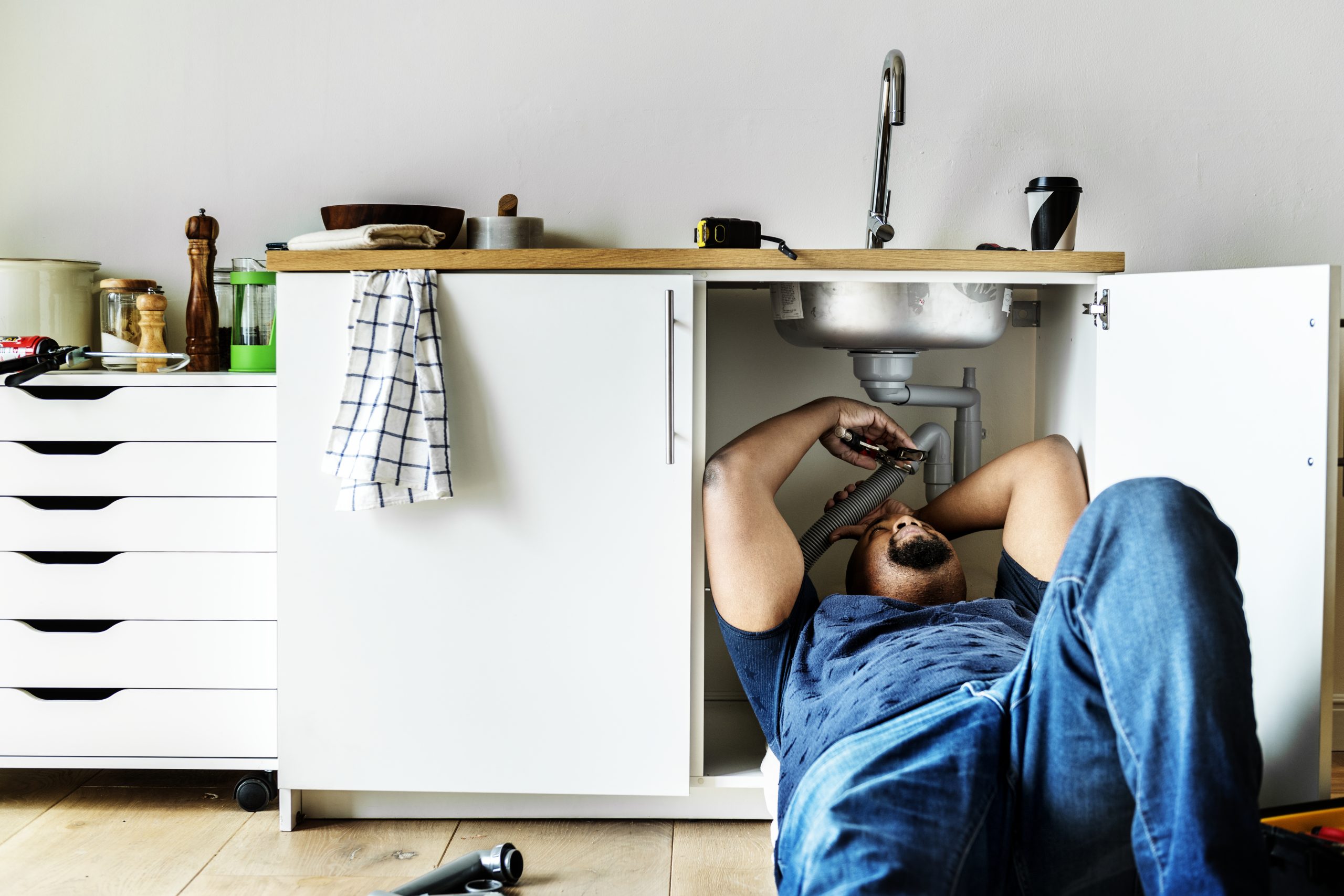
3. Check Under Sinks and Cabinets
Look for:
- Moisture or pooling water
- Rust on pipes
- Soft or swollen wood
4. Inspect Outdoor Areas
Walk around your property and look for:
- Unusually green or wet patches of grass
- Soft soil or sinkholes
- Constantly damp ground
These may indicate underground pipe leaks.
Advanced Methods Professionals Use to Detect Leaks
If DIY methods suggest a problem but you can’t locate it, professionals use specialized tools such as:
1. Acoustic Leak Detection
Sensitive microphones detect sound vibrations caused by escaping water.
2. Thermal Imaging Cameras
These detect temperature differences behind walls, helping locate moisture buildup.
3. Pressure Testing
Plumbers isolate sections of piping and test pressure drops to pinpoint leaks.
4. Sewer Camera Inspection
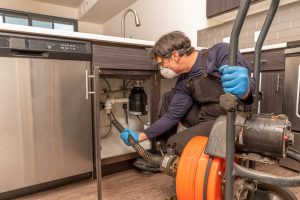
A small waterproof camera is inserted into pipes to visually identify damage or blockages.
Potential Damage Caused by Undetected Leaks
If left untreated, hidden leaks can lead to severe consequences:
Structural Damage
Continuous water exposure weakens wooden beams, drywall, and flooring.
Mold Infestation
Mold can begin growing within 24–48 hours in moist environments and spread quickly.
Electrical Risks
Water reaching wiring systems increases the risk of shorts or fires.
Foundation Erosion
Underground leaks may erode soil beneath your home, leading to foundation shifts or cracks.
Pest Infestation
Moist environments attract termites, cockroaches, and rodents.
How to Prevent Hidden Plumbing Leaks
Prevention is always cheaper than repair. Here are practical steps:
1. Schedule Regular Plumbing Inspections
Annual inspections help catch issues early before they escalate.
2. Maintain Proper Water Pressure
Install a pressure regulator if your home pressure is too high.
3. Replace Old Pipes
If your home has aging plumbing, consider upgrading to modern materials like PEX or PVC.
4. Insulate Pipes in Cold Areas
This reduces the risk of freezing and cracking during winter.
5. Monitor Water Bills
Track monthly usage to detect unusual changes quickly.
When to Call a Professional Plumber
You should contact a plumber immediately if:
- You cannot locate the leak source
- Water damage is spreading quickly
- You notice mold growth
- Your water meter shows continuous movement
- There is a drop in water pressure across the home
Delaying professional help often leads to significantly higher repair costs.
Final Thoughts
Hidden plumbing leaks are silent but highly destructive. The longer they go unnoticed, the more damage they cause to your home’s structure, safety, and finances. The key is early detection—watching for small warning signs, performing simple tests, and acting quickly when something seems off.
A proactive approach not only saves money but also protects your home from long-term water damage and health risks like mold.
If you stay alert and address issues early, most hidden leaks can be resolved before they turn into major repairs.