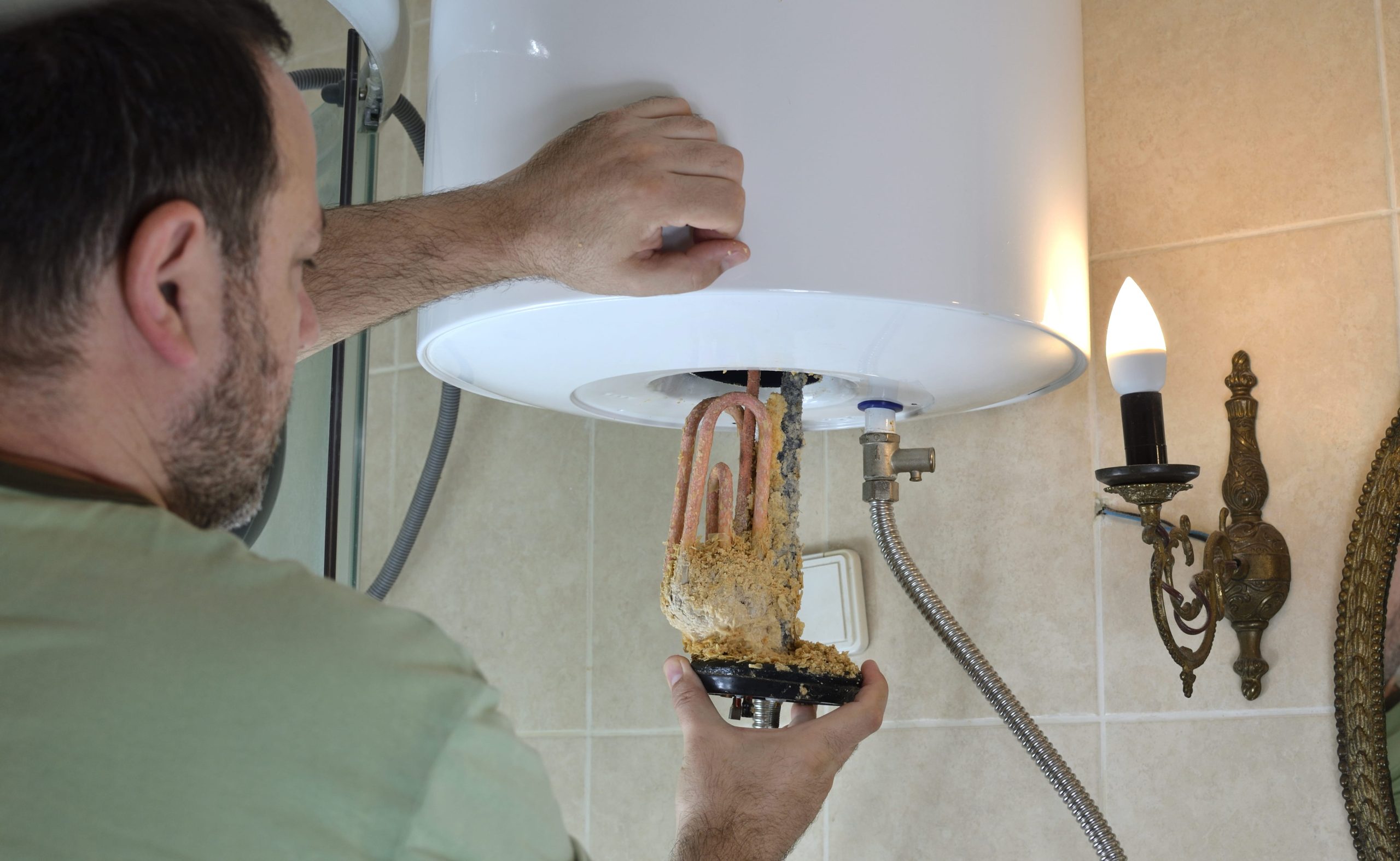
Water is essential to everyday life, but not all water is the same. Many homeowners in North Carolina are surprised to learn that the water flowing through their taps may contain elevated levels of dissolved minerals that gradually affect plumbing systems, appliances, and fixtures. This condition is commonly known as hard water, and while it is generally safe to drink, it can create long-term issues throughout a home.
Hard water may not cause immediate plumbing failures, but its effects build slowly. Mineral deposits accumulate inside pipes, water heaters lose efficiency, faucets develop stains, and appliances work harder than they should. Over months and years, these problems can increase utility costs and lead to expensive repairs.
Understanding how hard water affects plumbing systems helps homeowners recognize warning signs early and take steps to reduce long-term damage.
Table of Contents
ToggleWhat Is Hard Water?
Hard water contains higher concentrations of dissolved minerals, mainly:
- Calcium
- Magnesium
- Iron (in some areas)
- Manganese
As groundwater travels through soil and rock formations, it picks up these minerals naturally. Different regions experience different levels of water hardness depending on local geology and water sources.
Hard water is typically measured in grains per gallon (GPG) or milligrams per liter (mg/L). Water may be categorized as:
- Soft: 0–3.5 GPG
- Moderately hard: 3.5–7 GPG
- Hard: 7–10.5 GPG
- Very hard: Above 10.5 GPG
Many homes in parts of North Carolina experience varying degrees of hardness, especially those relying on private wells.
Signs You May Have Hard Water in Your Home
Homeowners often overlook early symptoms because hard water damage develops gradually.
Common indicators include:
White or Chalky Residue
If you notice white buildup around faucets, showerheads, or sinks, mineral deposits may be forming.
This residue is usually calcium carbonate left behind after water evaporates.
Water Spots on Dishes and Glassware
Cloudy glasses fresh from the dishwasher are often among the first visible signs of hard water.
Even after cleaning, spots may remain.
Reduced Water Pressure
Mineral scale inside plumbing lines narrows pipe openings over time.
This restriction limits water flow and may cause:
- Weak showers
- Slow faucets
- Uneven water pressure
Soap Doesn’t Lather Easily
Hard water reacts with soap minerals and reduces effectiveness.
You may notice:
- Soap scum in tubs
- Residue on skin
- Extra detergent use
- Stiff laundry
Frequent Appliance Repairs
Water heaters, dishwashers, washing machines, and ice makers often experience reduced performance due to mineral accumulation.
How Hard Water Affects Plumbing Pipes
One of the most significant effects of hard water occurs inside plumbing systems where homeowners cannot see the damage.
Mineral Scale Buildup
As water moves through pipes, dissolved minerals settle on interior surfaces.
Over time, this creates scale deposits that gradually thicken.
Think of it like plaque buildup inside arteries.
The pipe opening becomes smaller, reducing water flow.
Older homes with galvanized steel piping may experience faster buildup because rough surfaces allow minerals to attach more easily.
Restricted Water Flow
Mineral accumulation can eventually lead to:
- Lower water pressure
- Uneven distribution between fixtures
- Slow filling sinks
- Weak showers
Homeowners often assume pressure problems originate from municipal supply issues when pipe scaling may actually be responsible.
Increased Corrosion Risk
Hard water itself does not always directly corrode pipes, but mineral deposits can create conditions that accelerate wear.
Scale traps moisture and minerals against pipe surfaces.
Over time this may contribute to:
- Pinhole leaks
- Joint failures
- Interior deterioration
Copper piping and older metal systems may become especially vulnerable.
Shorter Pipe Lifespan
Plumbing systems designed to last decades may require earlier repair when mineral buildup becomes severe.
Persistent scale increases stress throughout the network and can eventually require repiping sections of the home.
The Hidden Impact on Water Heaters
Water heaters often suffer the greatest damage from hard water because minerals settle directly inside the tank and heating elements.
Sediment Accumulation at the Bottom of the Tank
As water heats, calcium and magnesium separate from solution and sink.
This creates a layer of sediment.
Over time, the layer becomes thicker.
Consequences include:
- Reduced heating efficiency
- Longer heating cycles
- Increased fuel usage
- Higher utility bills
The heater must work harder because heat struggles to pass through mineral deposits.
Reduced Energy Efficiency
Even a relatively small amount of scale can significantly affect efficiency.
Water heaters with heavy sediment buildup consume more energy because:
- Heat transfer becomes slower
- Recovery time increases
- Burner or elements operate longer
This means homeowners pay more for the same amount of hot water.
Strange Noises from the Tank
Have you heard popping, rumbling, or cracking sounds from a water heater?
Hard water is often the cause.
Sediment traps water beneath deposits.
As trapped water heats, steam bubbles form and burst.
This creates unusual sounds inside the tank.
Ignoring these warnings can shorten heater life.
Heating Element Damage
Electric water heaters rely on heating elements immersed in water.
Minerals coat these elements and act like insulation.
As buildup grows:
- Heating slows
- Elements overheat
- Failures become more common
Replacement costs rise as efficiency drops.
Shortened Water Heater Lifespan
Water heaters in hard water environments may wear out several years earlier than expected.
Without regular maintenance:
- Tanks accumulate sediment faster
- Components strain continuously
- Corrosion increases
Routine flushing helps reduce buildup but may not eliminate the issue entirely.
Effects on Faucets, Fixtures, and Showerheads
Hard water damage is often most visible at plumbing fixtures.
Faucet Scale Deposits
Minerals collect around:
- Spouts
- Handles
- Aerators
- Valve openings
The white crusty material homeowners notice is usually hardened mineral residue.
Eventually this can affect:
- Water flow
- Appearance
- Seal performance
Clogged Aerators
Aerators mix air with water to improve flow.
Hard water particles frequently clog these small openings.
Symptoms include:
- Irregular spray patterns
- Reduced flow
- Splattering water
Cleaning or replacing aerators becomes necessary more often.
Showerhead Blockages
Mineral scale commonly accumulates inside shower nozzles.
Over time:
- Spray becomes uneven
- Pressure decreases
- Some openings stop working entirely
Homeowners sometimes replace showerheads when a deep cleaning could restore function.
Damage to Decorative Fixtures
Modern fixtures often include finishes such as:
- Brushed nickel
- Matte black
- Chrome
- Oil-rubbed bronze
Hard water stains can dull these finishes and leave permanent spotting.
Regular cleaning helps but excessive mineral exposure may eventually affect appearance.
Appliance Problems Caused by Hard Water
Hard water extends beyond plumbing.
Household appliances also experience increased wear.
Dishwashers
Mineral deposits interfere with dishwasher operation.
Common issues include:
- Spotty dishes
- Reduced cleaning performance
- Scale inside spray arms
- Heating inefficiency
Glassware may appear permanently cloudy.
Washing Machines
Laundry systems exposed to hard water often require:
- More detergent
- Extra rinse cycles
- Additional maintenance
Minerals can accumulate inside hoses and internal components.
Clothing may feel rough or appear faded.
Ice Makers
Scale buildup affects:
- Water lines
- Dispensing systems
- Production efficiency
Ice may appear cloudy due to mineral content.
Coffee Makers and Small Appliances
Coffee machines, kettles, and humidifiers frequently show hard water damage first.
White deposits inside reservoirs indicate mineral accumulation.
Performance decreases as buildup thickens.
How Hard Water Increases Utility Costs
Hard water does more than damage plumbing.
It quietly raises household expenses.
Homeowners often spend more on:
Energy Bills
Water heaters use additional power when sediment reduces efficiency.
Cleaning Products
Hard water reduces soap effectiveness.
Families may buy extra:
- Shampoo
- Dishwasher detergent
- Laundry soap
- Surface cleaners
Plumbing Repairs
Small mineral issues eventually lead to:
- Fixture replacement
- Valve repairs
- Pipe cleaning
- Water heater maintenance
Appliance Replacement
Reduced efficiency shortens appliance lifespan.
Replacing appliances earlier than expected increases ownership costs.
Private Wells and Hard Water Concerns in North Carolina
Many rural properties throughout North Carolina depend on private wells.
Unlike municipal systems, private wells may expose homeowners to greater variations in mineral content.
Well water frequently contains:
- Calcium
- Magnesium
- Iron
- Sediment
Regular testing becomes important because mineral levels may change over time.
Homeowners using wells should schedule water analysis periodically to understand hardness levels and treatment needs.
Solutions for Managing Hard Water
Fortunately, homeowners have several options for reducing hard water effects.
Install a Water Softener
Water softeners remove calcium and magnesium through ion exchange.
Benefits may include:
- Reduced scaling
- Improved appliance efficiency
- Better soap performance
- Longer plumbing lifespan
These systems are among the most effective solutions.
Use Whole-House Filtration Systems
Filtration systems help address additional contaminants.
Depending on water conditions they may target:
- Sediment
- Iron
- Odors
- Mineral particles
A plumbing professional can recommend appropriate configurations.
Flush Water Heaters Regularly
Routine flushing removes accumulated sediment.
Many experts suggest annual maintenance.
Homes with severe hardness may require more frequent service.
Clean Fixtures Frequently
Removing deposits early helps prevent permanent buildup.
Vinegar solutions often dissolve mild scale.
Homeowners should avoid abrasive cleaners that damage finishes.
Replace Worn Components Promptly
Ignoring minor fixture issues allows buildup to spread.
Replacing:
- Aerators
- Seals
- Showerheads
- Valves
can improve performance before larger repairs become necessary.
Preventive Maintenance Tips for Homeowners
Hard water cannot always be avoided, but homeowners can reduce its effects.
Recommended practices include:
Monitor Water Pressure
Unexpected drops may indicate mineral restriction.
Inspect Fixtures Monthly
Check for:
- White deposits
- Slow flow
- Staining
- Corrosion
Schedule Plumbing Inspections
Professional inspections identify hidden buildup before failures occur.
Test Water Quality
Testing provides valuable information regarding:
- Hardness levels
- Mineral content
- Treatment needs
Service Water Heaters Annually
Routine maintenance improves efficiency and extends equipment life.
When to Call a Plumbing Professional
Professional evaluation may be necessary if you notice:
- Persistent low water pressure
- Frequent fixture clogs
- Water heater noises
- White scaling throughout the home
- Repeated appliance failures
- Sudden increases in utility costs
Plumbers can assess hardness levels, inspect affected systems, and recommend solutions that fit local water conditions.
Early action often prevents major repairs.
Final Thoughts
Hard water may seem harmless at first, but its effects build slowly inside pipes, water heaters, fixtures, and appliances. Mineral deposits reduce efficiency, increase maintenance requirements, and shorten the life of important plumbing components.
For many North Carolina homeowners, especially those using well water, understanding water hardness is an important part of protecting the home. Regular inspections, water testing, and preventive maintenance can reduce long-term costs and help plumbing systems perform more efficiently.
Addressing hard water issues early often means fewer repairs, lower energy bills, and a longer lifespan for everything connected to your plumbing system.