Many homeowners assume plumbing emergencies happen suddenly—a burst pipe, overflowing toilet, or major water line failure. In reality, some of the most expensive water damage problems begin with something much smaller: a slow drip under a sink, a tiny pipe crack behind a wall, or a loose connection near an appliance.
Small plumbing leaks are often easy to ignore because they may not create immediate flooding or obvious damage. Water can remain hidden inside walls, under floors, behind cabinets, and beneath foundations for weeks or even months before visible signs appear.
In Fayetteville homes, where humidity levels can already contribute to moisture concerns, unnoticed leaks may quickly become larger structural and plumbing problems. Understanding how minor leaks develop into major repairs can help homeowners act early and reduce long-term damage.
Table of Contents
ToggleWhy Small Plumbing Leaks Are Often Overlooked
Large plumbing failures usually demand immediate attention.
Small leaks behave differently.
They often:
- Drip slowly
- Remain hidden
- Cause gradual damage
- Produce subtle warning signs
- Develop behind finished surfaces
Because the leak appears minor, many homeowners delay repairs.
Unfortunately, even a slow drip can waste significant amounts of water over time.
A faucet leaking once every second may waste thousands of gallons annually.
Beyond water waste, continuous moisture creates ideal conditions for damage throughout the home.
Common Sources of Small Plumbing Leaks
Leaks can develop almost anywhere in a plumbing system.
Some locations are easier to spot than others.
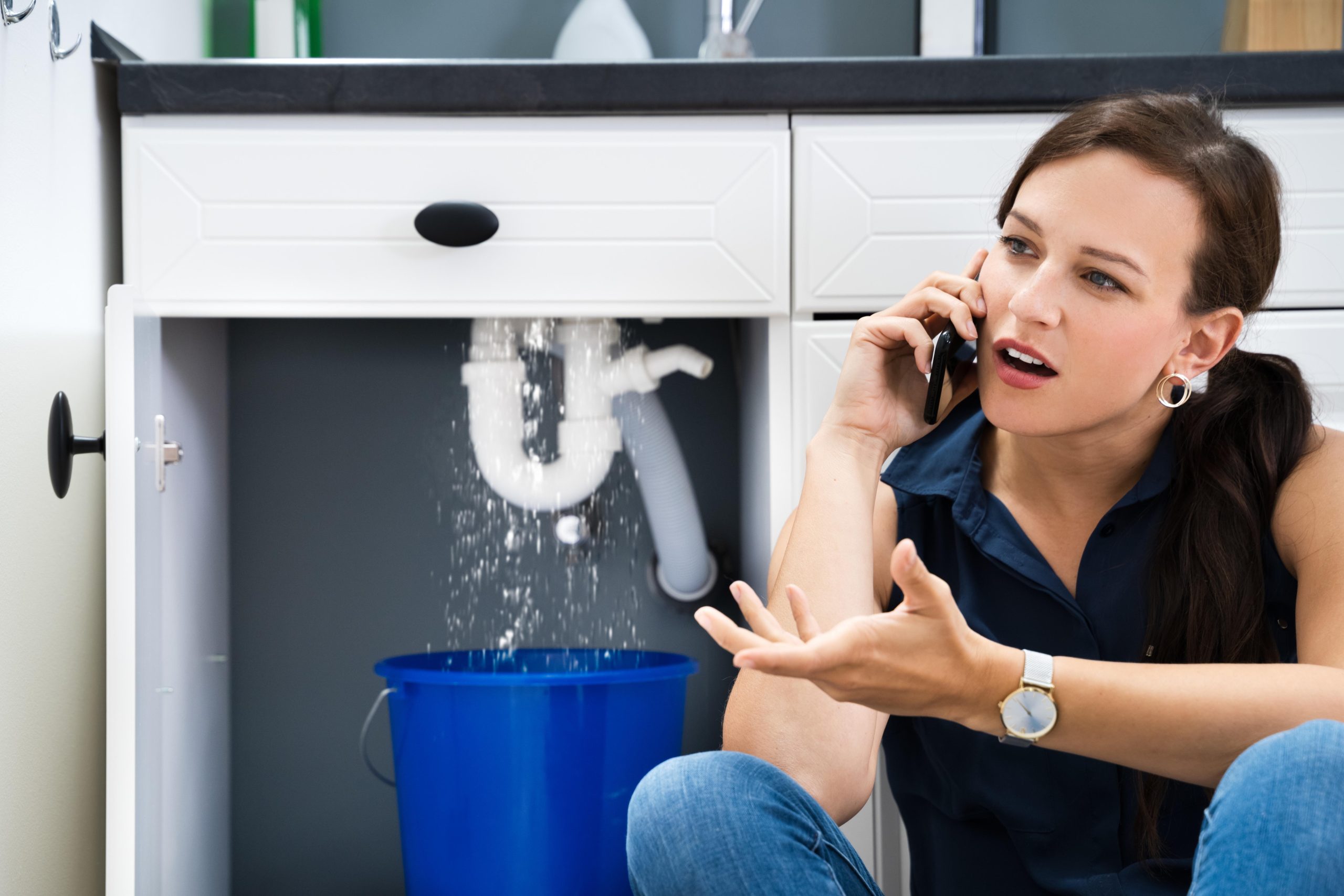
1. Under-Sink Connections
Kitchen and bathroom sinks contain multiple joints, valves, and supply lines.
Leaks often begin around:
- Compression fittings
- Drain traps
- Shutoff valves
- Flexible supply hoses
- Faucet bases
Homeowners may notice:
- Damp cabinet floors
- Swollen wood
- Musty odors
- Water stains
Cabinet interiors hide leaks surprisingly well.
Damage may continue for months before becoming visible.
2. Hidden Pipe Leaks Behind Walls
One of the most destructive plumbing issues involves concealed leaks.
Water lines running behind drywall can develop:
- Pinhole leaks
- Corrosion damage
- Loose fittings
- Pipe cracks
These leaks usually stay hidden until symptoms appear.
Warning signs include:
- Bubbling paint
- Soft drywall
- Discoloration
- Peeling wallpaper
- Unexpected mold growth
By the time surface damage appears, water may have already spread extensively.
3. Toilet Leaks
Toilets frequently leak without creating puddles.
Common causes include:
- Worn flappers
- Faulty fill valves
- Loose seals
- Damaged wax rings
Some leaks allow water to escape beneath flooring.
Over time this may lead to:
- Rotting subfloors
- Tile movement
- Mold development
- Structural weakening
Soft flooring around toilets should never be ignored.
4. Water Heater Leaks
Water heaters often begin leaking slowly before major failures occur.
Possible sources include:
- Pressure valves
- Tank corrosion
- Loose fittings
- Drain valves
- Condensation issues
Homeowners sometimes mistake early leakage for harmless moisture.
Even small amounts of water can affect:
- Flooring
- Walls
- Nearby storage
- Utility areas
5. Appliance Supply Lines
Modern homes depend heavily on water-connected appliances.
Common leak points include:
- Washing machine hoses
- Refrigerator water lines
- Dishwashers
- Ice makers
These systems often operate out of sight.
A tiny supply line leak can gradually damage:
- Cabinets
- Hardwood floors
- Baseboards
- Insulation
Appliance leaks are among the leading causes of indoor water damage.
How Small Leaks Turn Into Major Water Damage
Homeowners often ask:
“How can a tiny leak cause thousands of dollars in repairs?”
The answer lies in time and hidden exposure.
Moisture Accumulates Slowly
Water rarely stays where the leak begins.
It travels.
Moisture may move through:
- Drywall
- Flooring
- Insulation
- Framing
- Concrete
Gravity pulls water downward.
A leak inside an upstairs bathroom could eventually affect ceilings, walls, and lower floors.
Wood Absorbs Water
Wood materials act like sponges.
Continuous exposure causes:
- Swelling
- Warping
- Expansion
- Rot
Affected areas may include:
- Cabinets
- Floor joists
- Trim
- Structural framing
- Subfloors
Wood deterioration weakens support systems over time.
Drywall Breaks Down
Drywall absorbs moisture quickly.
Early signs include:
- Yellow stains
- Soft spots
- Surface bubbling
- Sagging areas
If moisture remains trapped, sections may eventually collapse.
Replacing drywall often involves additional repairs behind finished surfaces.
Flooring Damage Spreads Quickly
Different flooring materials react differently to leaks.
Hardwood floors
Water causes:
- Buckling
- Expansion
- Warping
- Surface separation
Laminate flooring
Moisture often causes:
- Edge lifting
- Swelling
- Delamination
Tile floors
Water beneath tile can weaken adhesives and damage underlayment.
Even durable surfaces may fail when moisture persists.
Mold Growth: One of the Biggest Risks
Small leaks frequently create ideal environments for mold.
Mold needs:
- Moisture
- Organic material
- Limited airflow
Hidden leaks provide all three.
Areas commonly affected include:
- Behind walls
- Under flooring
- Inside cabinets
- Crawl spaces
- Attics near plumbing lines
Early mold may appear as:
- Dark spotting
- Discoloration
- Musty smells
Extended moisture exposure increases spread.
Beyond property concerns, mold often complicates restoration projects and raises repair costs.
Fayetteville Climate Factors That Can Worsen Leak Damage
Fayetteville homeowners face unique environmental conditions.
Warm temperatures and seasonal humidity can accelerate moisture-related problems.
Higher humidity means wet materials may dry more slowly.
This increases risk for:
- Mold growth
- Mildew formation
- Wood deterioration
- Persistent odors
Summer storms and heavy rainfall may add additional moisture pressure around homes.
When hidden leaks combine with humid conditions, damage can progress faster than many homeowners expect.
Hidden Costs of Ignoring Minor Plumbing Leaks
A small leak rarely stays inexpensive.
Repair costs often increase because damage extends beyond plumbing.
Increased Water Bills
Continuous drips waste water daily.
Homeowners sometimes notice:
- Unexpected bill increases
- Higher utility usage
- Unexplained consumption patterns
Even minor leaks add up.
Structural Repairs
Water exposure may eventually affect:
- Framing systems
- Drywall
- Flooring
- Ceilings
- Cabinets
Repair costs rise significantly once structural work becomes necessary.
Mold Remediation
Mold treatment often involves:
- Material removal
- Drying procedures
- Cleaning
- Reconstruction
The leak itself may be inexpensive.
The resulting moisture damage often is not.
Appliance Replacement
Leaks around water-connected appliances may shorten equipment lifespan.
Moisture exposure damages:
- Electrical components
- Motors
- Connectors
- Internal systems
Replacing appliances increases overall expenses.
Warning Signs Homeowners Should Never Ignore
Small leaks usually leave clues.
Recognizing them early helps reduce repair costs.
Water Stains
Look for:
- Brown spots on ceilings
- Wall discoloration
- Cabinet staining
- Floor darkening
These often indicate moisture migration.
Musty Odors
Persistent smells frequently signal hidden moisture.
If odors remain after cleaning, plumbing leaks may be present.
Soft Flooring
Floors should feel stable.
Warning signs include:
- Spongy areas
- Loose tiles
- Movement near toilets
- Warping surfaces
Softness often means water has affected underlying materials.
Peeling Paint or Wallpaper
Moisture trapped behind surfaces pushes finishes outward.
Watch for:
- Bubbling paint
- Cracking
- Surface lifting
- Wallpaper separation
Mold Spots
Dark patches near plumbing fixtures deserve attention.
Early intervention helps prevent wider contamination.
Reduced Water Pressure
Leaks sometimes affect water flow.
Pressure changes may indicate:
- Pipe damage
- Underground leaks
- Hidden breaks
Professional inspection may be necessary.
Areas Fayetteville Homeowners Should Inspect Monthly
Routine checks help identify leaks before major damage occurs.
Kitchen
Inspect:
- Sink connections
- Garbage disposal fittings
- Dishwasher hoses
- Refrigerator water lines
Bathrooms
Check:
- Toilet bases
- Sink cabinets
- Shower valves
- Caulking lines
Laundry Rooms
Inspect:
- Washing machine hoses
- Drain lines
- Shutoff valves
Utility Areas
Look around:
- Water heaters
- Filtration systems
- Pumps
- Exposed plumbing lines
Crawl Spaces
Watch for:
- Standing water
- Damp soil
- Condensation
- Mold growth
Monthly inspections require little time but may prevent major repairs.
Preventing Water Damage From Small Leaks
Homeowners can reduce risk through preventive maintenance.
Replace Aging Supply Lines
Older hoses become vulnerable to failure.
Replacing worn components helps avoid leaks.
Monitor Water Bills
Unexpected increases often reveal hidden problems.
Track usage regularly.
Install Leak Detection Devices
Modern sensors alert homeowners when moisture appears.
These devices may help detect:
- Appliance leaks
- Under-sink leaks
- Water heater issues
Early notification reduces damage.
Schedule Plumbing Inspections
Professional inspections identify:
- Pipe wear
- Hidden leaks
- Pressure problems
- Corrosion issues
Early repairs usually cost less than restoration work.
Address Minor Issues Immediately
Never ignore:
- Dripping faucets
- Small stains
- Slow leaks
- Damp areas
Minor repairs today often prevent major projects later.
When to Call a Plumbing Professional
Professional evaluation is recommended if homeowners notice:
- Water stains spreading across walls or ceilings
- Rising water bills without explanation
- Soft flooring near plumbing fixtures
- Persistent moisture odors
- Mold growth
- Repeated leaks
- Low water pressure
- Damp crawl spaces
Specialized leak detection tools help locate hidden moisture before damage worsens.
Final Thoughts
Small plumbing leaks may appear harmless, but they often become some of the most expensive water damage issues homeowners face. A slow drip beneath a sink, minor pipe crack, or unnoticed appliance leak can quietly damage walls, flooring, cabinets, and structural materials over time.
For Fayetteville homeowners, seasonal humidity and moisture conditions may accelerate these problems, increasing the importance of early detection and regular plumbing maintenance.
Routine inspections, quick repairs, and professional evaluations help protect homes from hidden water damage and reduce the risk of costly restoration projects.
When it comes to plumbing leaks, the size of the leak rarely determines the seriousness of the damage. In many cases, the smallest leaks create the biggest problems when left untreated.