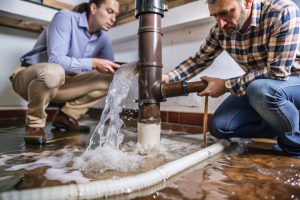
Most homeowners experience a clogged drain at some point. A slow kitchen sink, a backed-up shower drain, or a toilet that struggles to flush may seem like ordinary plumbing problems that can be solved with a plunger or store-bought drain cleaner. However, when drain clogs keep returning repeatedly, the issue may be much more serious than a simple blockage.
Recurring drain clogs are often one of the earliest warning signs of larger sewer line problems developing beneath a home or property. While a single clog may only affect one fixture, repeated backups throughout the house can indicate damage, obstruction, or deterioration inside the main sewer line. Ignoring these warning signs can eventually lead to sewage backups, water damage, expensive repairs, and serious health hazards.
Understanding the connection between recurring drain clogs and sewer line problems can help homeowners act early before minor plumbing issues become major emergencies.
Table of Contents
ToggleHow Your Home’s Sewer System Works
Every drain inside a home connects to a larger plumbing system that carries wastewater away from the property. Sinks, toilets, bathtubs, showers, washing machines, and dishwashers all feed into branch drain lines that eventually connect to the main sewer line. (heavenlythroneplumbing.com)
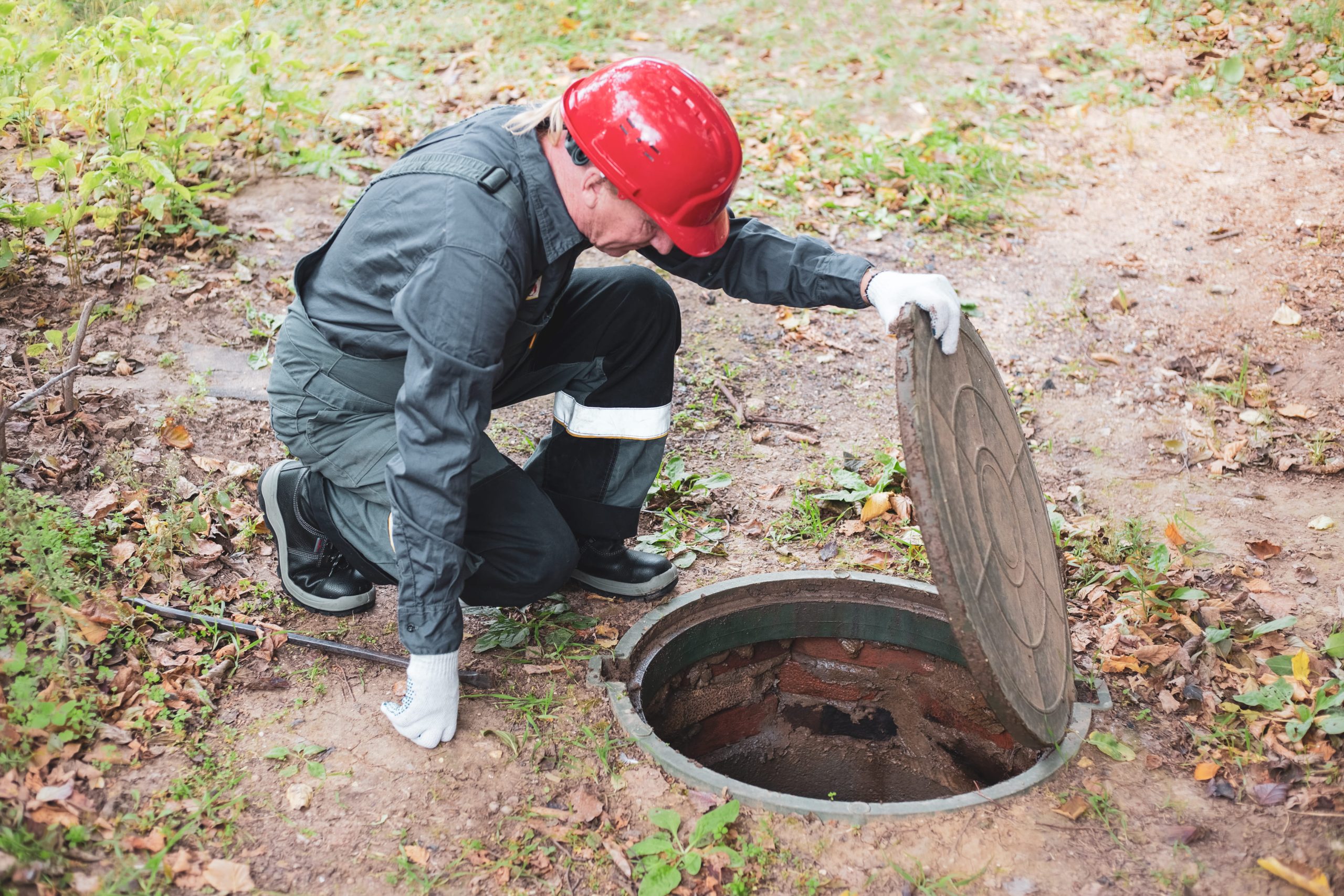
The main sewer line is responsible for transporting all wastewater from the home to either a municipal sewer system or a septic tank. When this main line becomes damaged or blocked, wastewater can no longer flow properly. Instead, it begins backing up through drains and plumbing fixtures throughout the home.
This is why recurring clogs often affect multiple drains rather than a single isolated fixture.
The Difference Between a Normal Clog and a Sewer Line Problem
Not every clog indicates a sewer line emergency. Some drain blockages occur because of everyday buildup near individual fixtures.
For example:
- Hair commonly clogs bathroom drains
- Grease and food debris block kitchen sinks
- Soap scum accumulates inside shower drains
- Excess toilet paper can obstruct toilets
These isolated clogs are usually limited to one fixture and can often be cleared easily. (mrrooter.com)
However, recurring clogs may signal a deeper issue when:
- Multiple drains clog at the same time
- Drains repeatedly back up after cleaning
- Toilets bubble or gurgle
- Sewage odors appear
- Water backs up into tubs or showers
- Slow drainage occurs throughout the home
These symptoms often indicate a blockage or failure somewhere within the main sewer line.
Tree Roots Are a Major Cause of Sewer Line Blockages
One of the most common causes of recurring drain problems is tree root intrusion. Large trees naturally search for water and nutrients underground. Even tiny cracks in sewer pipes can attract roots toward the moisture inside the line. (heavenlythroneplumbing.com)
Once roots enter the sewer pipe, they continue growing and spreading inside the line. Over time, they trap waste, toilet paper, grease, and debris, eventually creating severe blockages.
Tree root intrusion often causes:
- Repeated drain clogs
- Gurgling toilets
- Slow drains throughout the home
- Sewage odors
- Yard sinkholes or wet spots
Older homes are especially vulnerable because aging clay or cast iron sewer pipes are more likely to crack or separate.
Without professional repair, roots continue expanding and can eventually collapse the sewer line entirely.
Grease Buildup Can Restrict Sewer Flow
Many homeowners unknowingly contribute to sewer line problems by pouring grease, fats, and oils down kitchen drains. Although grease may appear liquid when hot, it hardens as it cools inside pipes. (roto-rooter.com)
Over time, grease buildup narrows the interior of sewer pipes, restricting water flow and trapping additional debris. Food particles, soap residue, and waste begin collecting around the blockage, eventually causing recurring backups.
Common signs of grease-related sewer problems include:
- Slow kitchen drains
- Frequent sink backups
- Bad odors from drains
- Gurgling noises after water use
Grease blockages are particularly common in older plumbing systems with rough or corroded pipe interiors.
Pipe Damage Can Trigger Ongoing Drain Problems
A damaged sewer line often causes repeated drain clogs because wastewater cannot move properly through the pipe.
Common types of sewer pipe damage include:
Cracked Pipes
Pipes can crack due to age, soil movement, freezing temperatures, or heavy ground pressure. Cracks allow debris and roots to enter the line while also disrupting normal wastewater flow. (angi.com)
Collapsed Pipes
Severely deteriorated pipes may partially or completely collapse underground. When this occurs, wastewater becomes trapped, leading to repeated drain backups throughout the home.
Pipe Bellies
A “pipe belly” occurs when part of the sewer line sinks lower than the surrounding pipe. Wastewater and debris collect in the low section rather than flowing properly downhill. (mrrooter.com)
Pipe bellies commonly develop because of:
- Shifting soil
- Poor installation
- Ground settling
- Heavy traffic above the line
These structural problems cannot be solved with plungers or drain cleaners because the issue lies within the sewer line itself.
Older Sewer Lines Are More Vulnerable to Failure
Many older homes still rely on outdated sewer pipe materials that naturally deteriorate over time.
Common older sewer materials include:
- Clay pipes
- Cast iron pipes
- Orangeburg pipes
- Galvanized steel
These materials become increasingly fragile as they age. Clay pipes may crack, cast iron corrodes internally, and Orangeburg pipes can deform or collapse completely. (familyhandyman.com)
As sewer lines deteriorate, recurring clogs become more common because rough interior surfaces trap debris and reduce water flow.
Homeowners living in older neighborhoods often experience repeated drain issues long before complete sewer failure occurs.
Chemical Drain Cleaners Often Make the Problem Worse
When drains clog repeatedly, many homeowners turn to chemical drain cleaners for a quick fix. While these products may temporarily dissolve minor buildup, they rarely solve underlying sewer line problems. (bobvila.com)
In some cases, chemical cleaners can actually worsen plumbing damage by:
- Corroding older pipes
- Weakening pipe joints
- Damaging metal plumbing
- Creating heat that stresses fragile lines
Repeated chemical use may accelerate sewer line deterioration, especially in aging plumbing systems.
Professional drain cleaning methods are far safer and more effective for recurring clogs.
Multiple Fixture Backups Usually Signal Sewer Trouble
One of the clearest signs of a sewer line problem is when multiple plumbing fixtures experience problems simultaneously.
For example:
- Flushing the toilet causes the bathtub to gurgle
- Running the washing machine backs up the shower drain
- Kitchen sink drainage affects nearby toilets
These symptoms occur because all fixtures connect to the same main sewer line. When that line becomes blocked, wastewater searches for the nearest available exit point. (mrrooter.com)
Homeowners should never ignore widespread drain issues, as complete sewer backups can happen suddenly.
Sewer Odors May Indicate Hidden Sewer Damage
Persistent sewer odors inside or outside the home are another important warning sign. Properly functioning sewer systems should remain airtight and odor-free. (heavenlythroneplumbing.com)
Foul odors may indicate:
- Cracked sewer pipes
- Sewer line blockages
- Venting problems
- Wastewater backups
- Broken seals around fixtures
Sewer gas exposure can create unpleasant indoor conditions and may even present health concerns in severe cases.
If sewer odors accompany recurring clogs, professional inspection is strongly recommended.
Hydro Jetting Can Remove Deep Sewer Blockages
Professional plumbers often use hydro jetting to remove severe sewer line buildup and recurring clogs. Hydro jetting uses high-pressure water streams to clean the inside of pipes thoroughly. (heavenlythroneplumbing.com)
Hydro jetting can remove:
- Grease buildup
- Tree roots
- Mineral deposits
- Sludge accumulation
- Debris blockages
Unlike basic snaking methods, hydro jetting cleans the full interior surface of the pipe rather than simply punching through the blockage.
This helps reduce the likelihood of future recurring clogs.
Sewer Camera Inspections Help Identify Hidden Problems
Because sewer lines are buried underground, diagnosing sewer issues without specialized equipment can be difficult. Modern plumbers often use sewer camera inspections to locate hidden problems accurately. (familyhandyman.com)
A small waterproof camera is inserted into the sewer line to inspect:
- Root intrusion
- Pipe cracks
- Collapsed sections
- Grease buildup
- Pipe misalignment
- Blockage locations
Camera inspections allow plumbers to identify the exact cause of recurring drain clogs without unnecessary digging.
This technology also helps homeowners make informed repair decisions.
Ignoring Sewer Problems Can Lead to Costly Damage
Recurring drain clogs rarely resolve themselves. In fact, sewer problems usually worsen over time as buildup, damage, or root intrusion increases.
Ignoring sewer warning signs can eventually lead to:
- Sewage backups inside the home
- Water damage
- Mold growth
- Foundation issues
- Yard flooding
- Pipe collapse
- Expensive emergency repairs
Sewage backups can also expose families to harmful bacteria and contaminants, creating serious sanitation concerns. (epa.gov)
Early sewer inspections and repairs are almost always more affordable than waiting for a catastrophic sewer failure.
Preventive Maintenance Helps Avoid Major Sewer Issues
Homeowners can reduce the risk of recurring drain clogs and sewer problems by following preventive maintenance practices.
Helpful steps include:
Avoid Pouring Grease Down Drains
Dispose of grease in sealed containers instead of sinks.
Use Drain Screens
Drain strainers help prevent hair and debris from entering pipes.
Schedule Professional Drain Cleaning
Routine drain maintenance removes buildup before severe blockages develop.
Watch for Early Warning Signs
Address slow drains, odors, or gurgling sounds promptly.
Schedule Sewer Camera Inspections
Periodic inspections help detect hidden sewer problems early.
Be Careful What You Flush
Avoid flushing wipes, paper towels, feminine products, and other non-flushable materials.
Preventive care can significantly extend the lifespan of sewer systems.
When to Call a Professional Plumber
While minor clogs can sometimes be handled at home, recurring drain issues should always be evaluated professionally.
Homeowners should contact a plumber if they notice:
- Multiple clogged drains
- Repeated backups
- Sewage odors
- Gurgling toilets
- Water backing into tubs or showers
- Wet spots in the yard
- Frequent drain cleaner use
Professional plumbers have the tools and expertise needed to diagnose and repair sewer problems safely and effectively.
Final Thoughts
Recurring drain clogs are often more than just an inconvenience. In many cases, they serve as early warning signs of serious sewer line problems developing beneath the home.
Tree root intrusion, grease buildup, pipe damage, aging sewer lines, and underground pipe shifts can all restrict wastewater flow and trigger repeated backups. While temporary drain cleaning solutions may provide short-term relief, they rarely address the root cause of the problem.
Ignoring recurring clogs can eventually lead to major sewer backups, expensive repairs, and significant property damage. By recognizing the warning signs early and scheduling professional inspections when needed, homeowners can protect their plumbing systems and avoid larger emergencies in the future.
A healthy sewer system is essential for maintaining a safe, clean, and functional home. Taking recurring drain problems seriously today can prevent costly plumbing disasters tomorrow.