Drain clogs and sewer backups are among the most unpleasant and potentially damaging plumbing problems a homeowner can face. While a slow drain might seem like a minor inconvenience, it can quickly escalate into a full-blown sewage backup that affects your entire home.
What makes these issues especially dangerous is that they often build up gradually. By the time you notice major symptoms, the blockage may already be severe and deep within your plumbing or sewer line.
In this guide, we’ll break down the early warning signs of drain clogs and sewer backups, what causes them, how to respond quickly, and how to prevent costly plumbing disasters.
Table of Contents
ToggleWhy Drain and Sewer Problems Should Never Be Ignored
A clogged drain is not just a plumbing nuisance—it can become a serious health and property hazard.
Here’s why these issues demand immediate attention:
- Sewage exposure risks – Backed-up wastewater contains harmful bacteria and pathogens
- Structural damage – Overflowing water can damage flooring, walls, and foundations
- Costly repairs – Delayed action often leads to pipe replacement or excavation
- Unpleasant odors – Sewer gases can make your home unlivable
- Multiple fixture failure – A single blockage can affect your entire plumbing system
Even small warning signs should never be ignored.
Common Causes of Drain Clogs and Sewer Backups
Understanding what causes blockages can help you prevent them in the first place.
1. Grease and Food Waste
One of the most common causes of kitchen drain clogs is grease. When poured down the sink, it solidifies and sticks to pipe walls, trapping other debris.
2. Hair and Soap Buildup
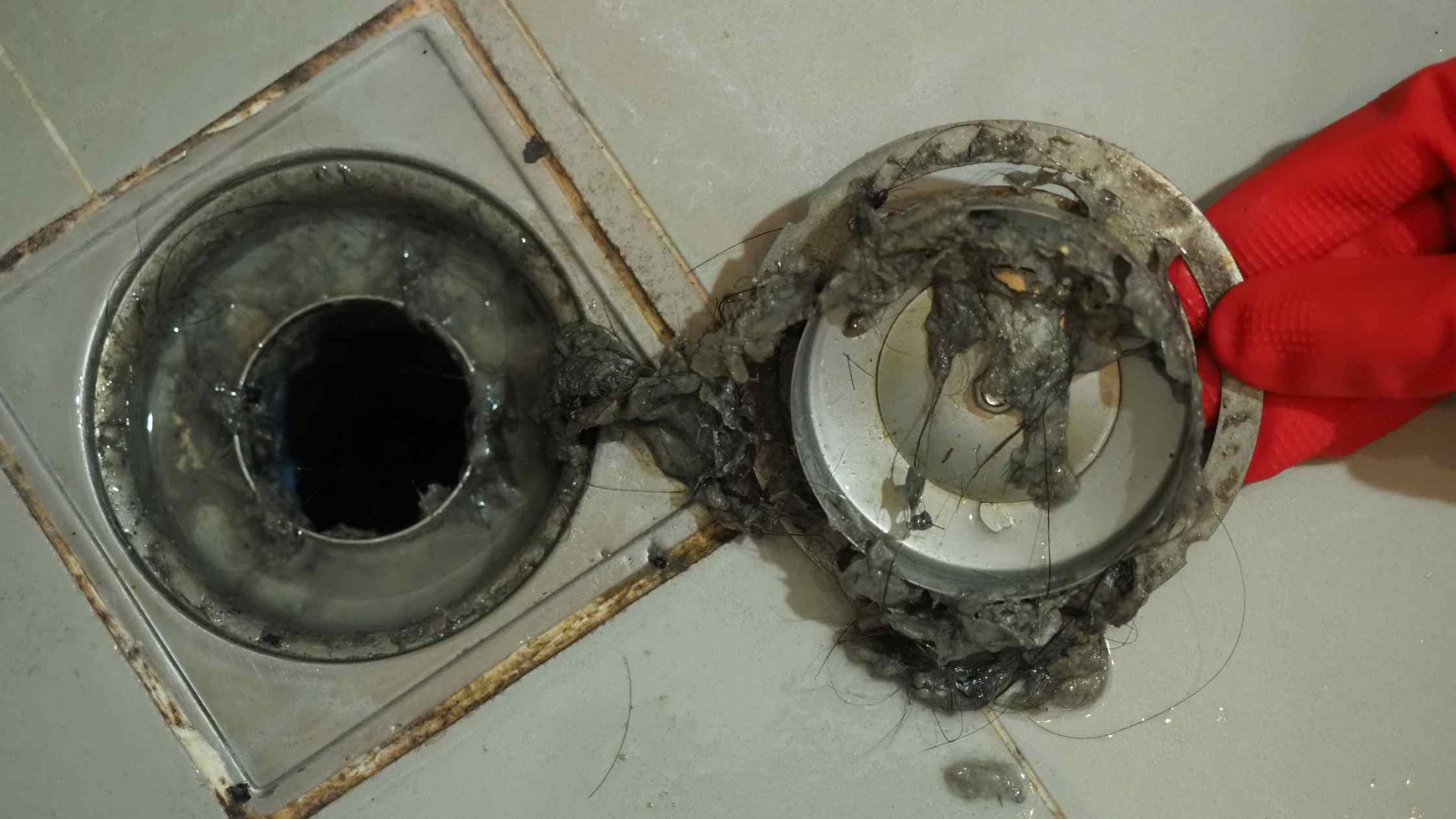
In bathrooms, hair combines with soap residue to form thick blockages that restrict water flow.
3. Foreign Objects
Items like wipes, cotton swabs, paper towels, and hygiene products can easily clog pipes. Even “flushable” wipes often fail to break down properly.
4. Tree Root Intrusion
Tree roots naturally seek moisture and can invade sewer lines through small cracks, eventually causing severe blockages.
5. Pipe Damage or Collapse
Older pipes made of clay, cast iron, or Orangeburg material can deteriorate over time, leading to collapses or partial blockages.
6. Heavy Rain and Flooding
Excess water can overwhelm municipal sewer systems, causing backups into residential drains.
Early Warning Signs You Should Never Ignore
Drain and sewer problems almost always give warning signs before a complete backup occurs.
1. Slow Draining Sinks and Tubs
If water takes longer than usual to drain, it’s often the first sign of a developing clog.
2. Gurgling Sounds from Pipes
Strange bubbling or gurgling noises indicate trapped air caused by blockages in the system.
3. Unpleasant Sewer Odors
A foul smell coming from drains or around your yard often signals a sewer line issue.
4. Water Backing Up in Multiple Fixtures
If flushing a toilet causes water to rise in the shower or sink, you likely have a main line blockage.
5. Frequent Toilet Clogs
Repeated clogs in toilets can indicate a deeper issue in the sewer line, not just the toilet itself.
6. Wet Patches in the Yard
Soggy areas or unusually green patches of grass may indicate a leaking or broken sewer line underground.
7. Pest Problems
Rodents, flies, and insects are often attracted to sewer leaks or cracks in plumbing systems.
What Happens During a Sewer Backup
A sewer backup occurs when wastewater cannot flow properly through your plumbing system and begins reversing direction into your home.
This can result in:
- Raw sewage entering toilets, sinks, or bathtubs
- Flooded basements or lower floors
- Contaminated surfaces and belongings
- Strong, persistent odors throughout the home
This is considered an emergency plumbing situation and should be addressed immediately.
Immediate Steps to Take During a Backup
If you suspect a sewer backup, quick action is essential.
1. Stop Using Water Immediately
Avoid flushing toilets, running sinks, or using appliances connected to the plumbing system.
2. Turn Off Water Supply if Necessary
If backup is severe, shutting off the main water valve can help prevent further overflow.
3. Avoid Contact with Contaminated Water
Sewage water contains harmful bacteria—do not attempt cleanup without protection.
4. Ventilate the Area
Open windows and doors to reduce odor buildup and improve airflow.
5. Call a Professional Plumber
Sewer backups require specialized equipment such as drain cameras or hydro-jetting tools.
Professional Methods for Clearing Sewer Blockages
When DIY methods aren’t enough, plumbers use advanced techniques to resolve the issue.
1. Drain Snaking (Augering)
A flexible metal cable is inserted into the drain to break apart or retrieve blockages.
2. Hydro Jetting
High-pressure water is used to remove grease, roots, and debris from inside pipes.
3. Sewer Camera Inspection
A waterproof camera is inserted into the line to locate the exact cause of the blockage.
4. Pipe Repair or Replacement
If pipes are damaged or collapsed, sections may need to be repaired or replaced entirely.
Health Risks of Sewer Backups
One of the most serious concerns with sewer backups is exposure to harmful contaminants.
Potential health risks include:
- Bacterial infections
- Respiratory issues from mold growth
- Skin irritation or rashes
- Gastrointestinal illnesses
This is why professional cleanup is strongly recommended after any major backup.
How to Prevent Drain Clogs and Sewer Backups
Preventive maintenance is the best way to avoid expensive plumbing emergencies.
1. Be Careful What You Flush or Pour
Avoid flushing wipes, sanitary products, and paper towels. Never pour grease down the sink.
2. Install Drain Screens
Screens help catch hair, food particles, and debris before they enter pipes.
3. Schedule Regular Drain Cleaning
Professional cleaning helps remove buildup before it becomes a blockage.
4. Maintain Your Sewer Line
Periodic inspections can detect root intrusion or pipe damage early.
5. Dispose of Waste Properly
Use trash bins instead of drains for food scraps and hygiene items.
6. Upgrade Old Plumbing Systems
Older pipes are more prone to collapse and buildup. Replacement can prevent future issues.
When to Call a Professional Plumber
You should contact a plumber immediately if you notice:
- Multiple drains clogging at once
- Sewage odors inside your home
- Water backing up from floor drains
- Persistent slow drainage across fixtures
- Signs of sewer line damage in your yard
Delaying repairs often leads to more extensive and expensive damage.
Final Thoughts
Drain clogs and sewer backups are more than just inconvenient—they are serious plumbing emergencies that can affect your health, property, and safety. The key is recognizing early warning signs and taking action before the problem escalates.
From slow drains and strange odors to full sewage backups, your plumbing system always gives signals when something is wrong. Paying attention to these signs and addressing them quickly can save you from costly repairs and major damage.
With proper maintenance, responsible usage, and timely professional help, most sewer problems can be prevented entirely.